In a limestone barn in southeast Öland, everything is set for a summer party. On one of the long tables in the barn, there are stacks of rustic stoneware plates and bowls in soft natural colors.
They form the basis of a beautiful rustic stoneware dinnerware set that was launched in August 2017 and is the result of a collaboration between Paradisverkstaden and Lantliv magazine, Paradis C/O Lantliv.


"There's a special feeling when setting the table with hand-thrown stoneware ceramics on linen, all materials are genuine."
Paradis C/O Lantliv is a rustic series of ceramic tableware, designed for a lived-in life around the table. The series is available in several muted tones such as oat, white, grey, and dark grey. The dinnerware is designed to be combined and built upon over time.


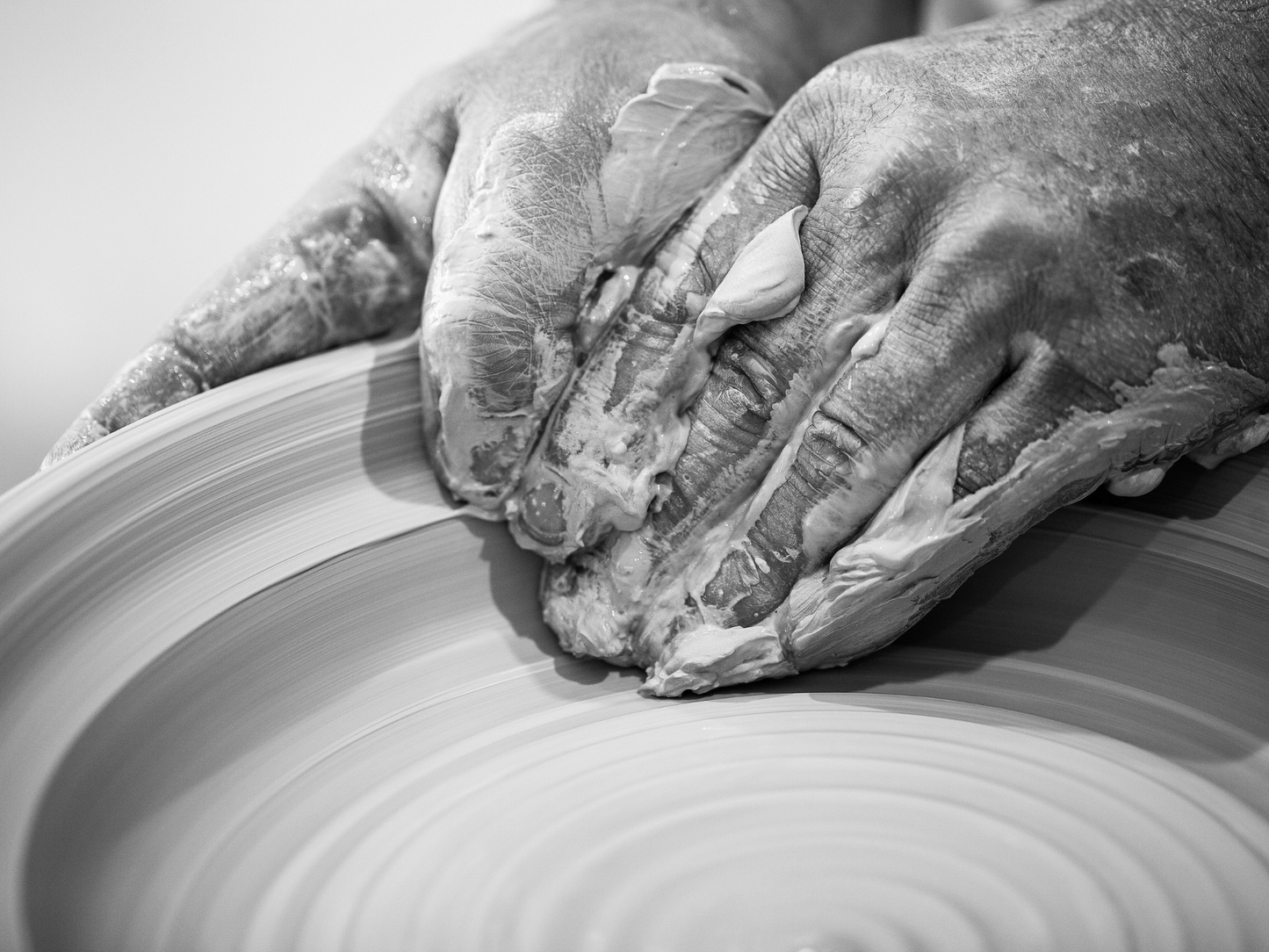
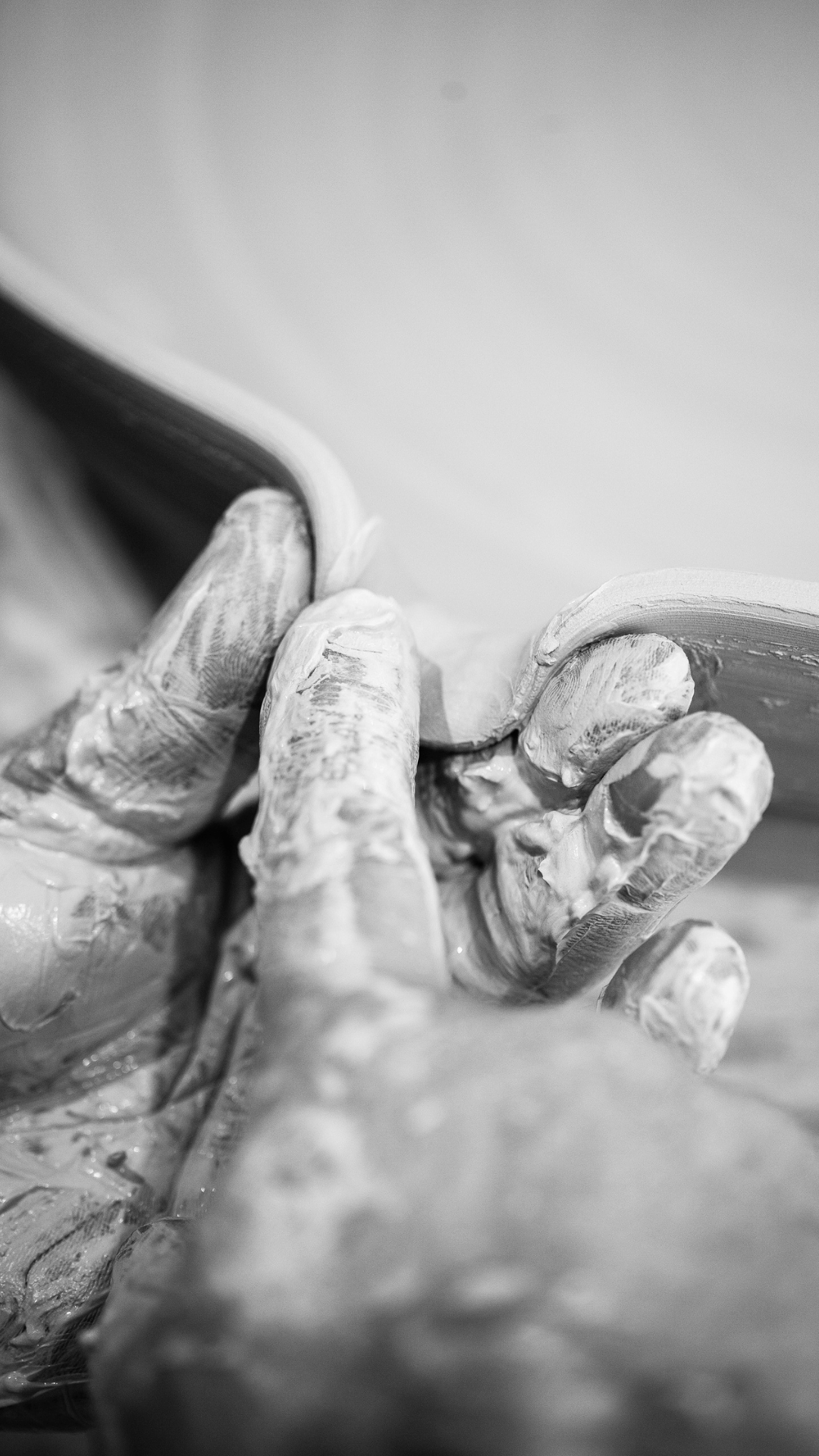
A skilled potter shapes the clay in a single motion. The Lantliv series features generous forms, and on the inside, you can clearly see the marks left by the potter's hand.
As a ceramicist, you must submit to the material's own pace. Clay cannot be rushed; it must be allowed to dry completely, and it must be fired and cooled slowly. It's a process that requires expertise and takes time. Most items produced in the workshop have been handled by hand through nearly 30 different steps. Different series are produced in different ways, but a larger platter can take several weeks.


On Öland, nature and agriculture are ever-present. The earth gives us crops, beets, cabbage, potatoes, fruit, berries, rapeseed, and herbs, and from the same earth, clay is also taken. Serving food in ceramic vessels is like closing a circle. The hands that work the soil, shape the clay, and prepare the food are connected in one and the same movement.
There is something special about letting nature follow all the way to the table and being able to decorate with grasses, herbs, and wildflowers.
For a rustic table setting, we use vintage cutlery, oil lamps or candle plates, simple glass vases, and rustic wooden cutting boards. Linen in the form of towels and tablecloths, freshly baked bread, carafes of wine, and loosely arranged bouquets enhance the feeling of simplicity and lived experience.


On the farms of Öland, a limestone barn is often located next to the farmhouse—a place that can become a party venue, studio, or orangery depending on the season and need. Life here follows the rhythm of the year: Easter in April, the first budding in May, Midsummer in June, crayfish in August, and harvest festival in September.
The Paradis C/O Lantliv dinnerware carries the same feeling of the lived and the recurring. It evokes thoughts of meals cooked in the country kitchen or outdoor kitchen, in the garden for long dinners where family and friends gather around the table.
There is an obviousness in the local and locally produced, where the crops and the pottery belong together. As in Italy or Southern France, where people cook and set the table with what is close at hand, here too there is a tradition of letting the season and place set the tone for the meal.


This is where Spillkum (Colander Bowl) is thrown on the wheel. Once the bowl is thrown, the potter creates the spouts with their thumb in the wet clay.
All bowls and colander bowls at Paradis C/O Lantliv are designed with two spouts, a detail that both adds character and serves a clear function. They make pouring easy, act as support and a stopper, and at the same time provide a natural place to rest serving utensils when setting the table.
Lantliv cups & bowls with Morgon Grå handleless coffee cup


In the Lantliv series, each piece is dipped in glaze, creating the characteristic line between clay and glaze. In the Oat and Grey glazes, vivid variations emerge at the intersection of material and fire during firing.
The glaze must be just right in thickness – rich enough to provide depth, but not so heavy that it runs, and not so thin that the expression is lost. The ware is then fired a second time, up to 1,250 degrees Celsius.
During this process, vitrification occurs, where the ceramics become glass-like, making them both durable and waterproof. The temperature must be precise, and each glaze reacts differently depending on its placement in the kiln.
Setting the kiln is like solving a three-dimensional puzzle, where each object has its specific place. The firing happens slowly – up to peak temperature and then down again in controlled steps, a process that takes about three days.

All parts of the dinnerware set are hand-thrown and glazed, with the exception of the dinner plate and side plate, which are jiggered to allow for smooth stacking. The shapes are soft and round mugs, bowls, and plates that naturally nest together.
The clay, glaze, and human touch interact to create small variations in each piece. Together, this results in a vibrant and sensory table setting that invites conversation and enhances the dining experience.
Traces of the craftsmanship remain in the surface, where the movements of the throwing process can be discerned and the raw clay peeks through on the underside.
All parts are designed for everyday use. They are made from stoneware clay and are dishwasher, oven, and microwave safe.

Oatmeal Breakfast Bowl

X-large serving bowl in Oat Glaze
All pieces are designed for everyday use and are both dishwasher and microwave safe. You can cook, bake, and serve in the same vessel – simple and functional.
The largest dish, or serving bowl, measures 40 cm in diameter and becomes a natural focal point in the kitchen. Place it on the kitchen island, countertop, or in the center of the table, filled with bread, seasonal vegetables, or a generous pasta dish.
To enhance the soft and natural feel, it is lovely to use wooden spoons for serving and to let a linen napkin envelop the bread.